



TOP 10 countries with the highest share of cryptocurrency investors –Cryptocurrencies have definitively moved from the margins of the financial system to its center in recent years. While a decade ago they were a speculative tool for tech enthusiasts, today digital assets are held by hundreds of millions of people worldwide. And in some countries, their adoption has reached a level that fundamentally changes how the entire economy functions.
According to current data from Triple-A for 2026, there are markets where cryptocurrencies are owned by more than a tenth of the population – and in the case of the ranking leader, almost a third of residents. It is precisely the proportion of investors relative to population that offers a more accurate view of real adoption rates than absolute numbers of holders.
Article Contents – TOP 10 Countries With the Highest Share of Cryptocurrency Investors:
TOP 10 Countries With the Highest Share of Cryptocurrency Investors: Largest Cryptocurrency Markets by Investor Share
While the United States dominates in absolute number of investors (approximately 53 million), the situation is significantly different when it comes to market penetration. The highest share of cryptocurrency users today is exhibited particularly in dynamic and often economically volatile regions.
Read Also: TOP 10 Countries With the Fastest Cryptocurrency Adoption
1. United Arab Emirates (30.4%, approximately 3 million people)
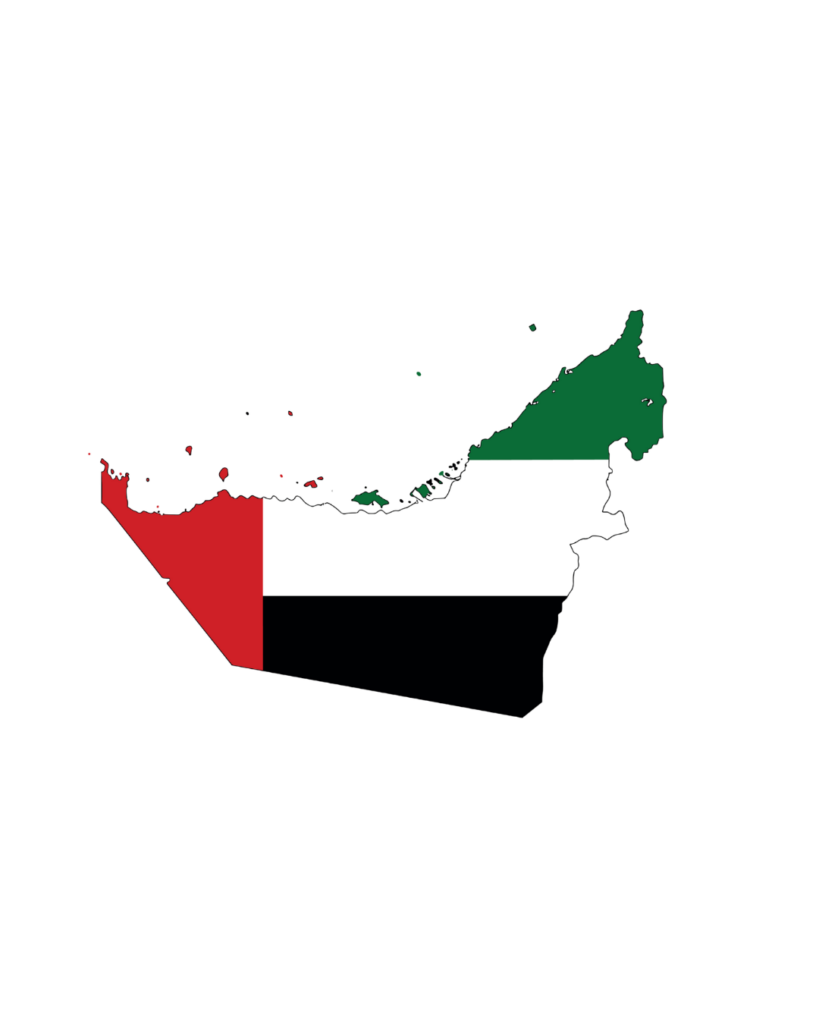
The absolute global adoption leader. A combination of favorable regulation, zero or minimal tax burden, and a strong Web3 ecosystem creates an environment where cryptocurrencies penetrate the mainstream faster than anywhere else.
2. Vietnam (21.2%, approximately 21 million)

One of the most active cryptocurrency communities in the world. Strong retail participation and massive use of stablecoins push Vietnam among global leaders.
3. United States (15.6%, approximately 53 million)

The largest market by absolute number of investors. Cryptocurrencies here function primarily as an investment asset and part of diversified portfolios.
4. Iran (13.5%, approximately 12 million)
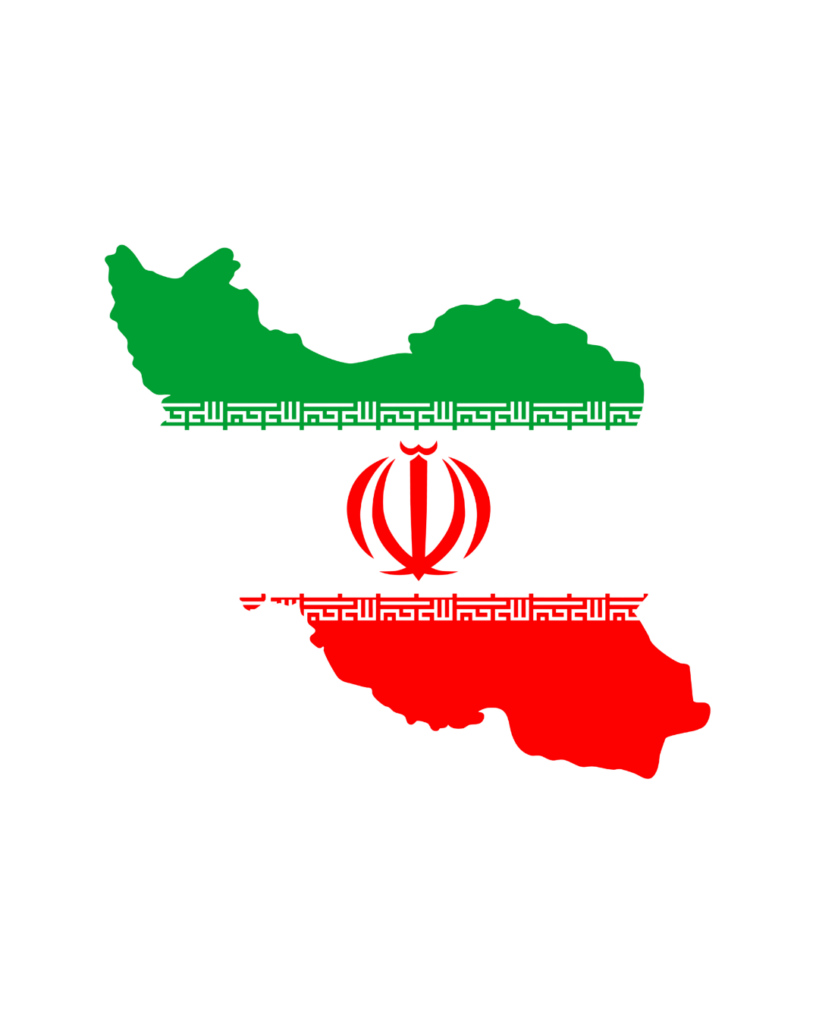
Despite regulatory limitations, it ranks among the most active markets. Cryptocurrencies here partially compensate for limited access to the international financial system.
5. Philippines (13.4%, approximately 16 million)

Strong adoption among the general population, particularly due to cryptocurrency use for remittances and the digital economy.
6. Brazil (12%, approximately 26 million)
Latin America’s leader, where cryptocurrencies are gaining popularity as both an investment tool and a hedge against inflation.
7. Saudi Arabia (11.4%, approximately 4 million)
Growing interest in alternative assets combined with rapid economic digitalization.
8. Singapore (11.1%, approximately 665 thousand)

One of the world’s most developed fintech centers. Cryptocurrencies here benefit from a clear regulatory framework and technological infrastructure.
9. Ukraine (10.6%, approximately 4 million)
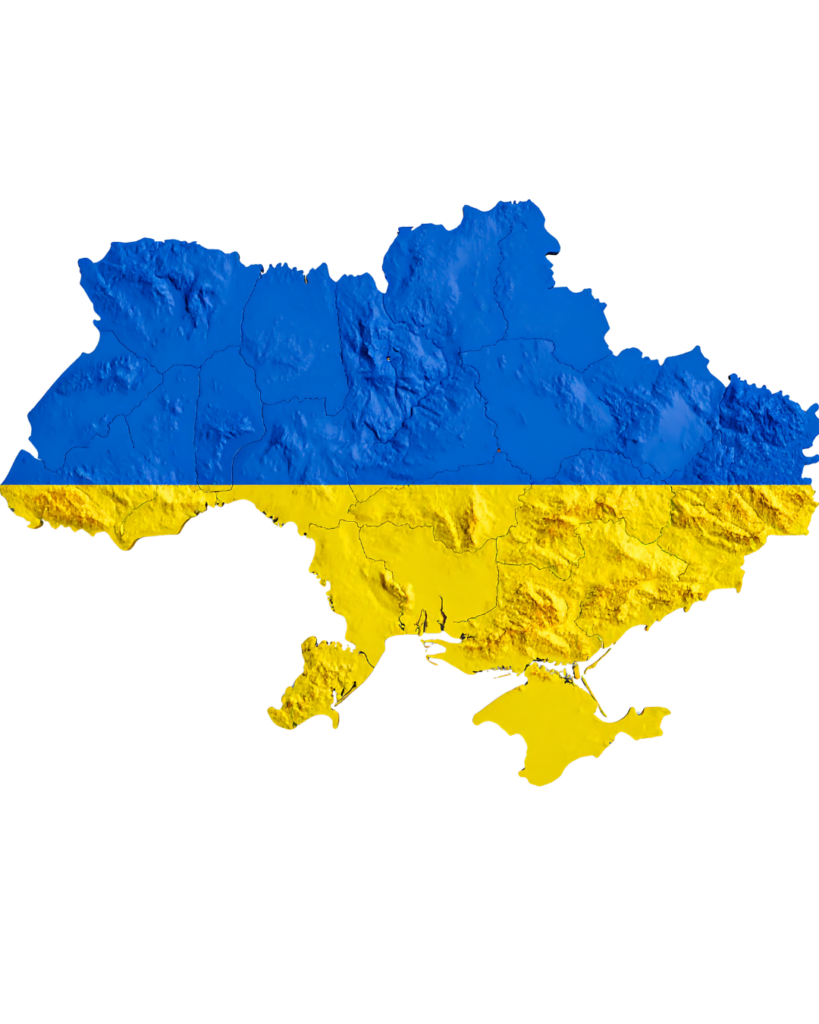
Openness to new technologies and a strong role of cryptocurrencies in cross-border transactions.
10. Venezuela (10.3%, approximately 3 million)
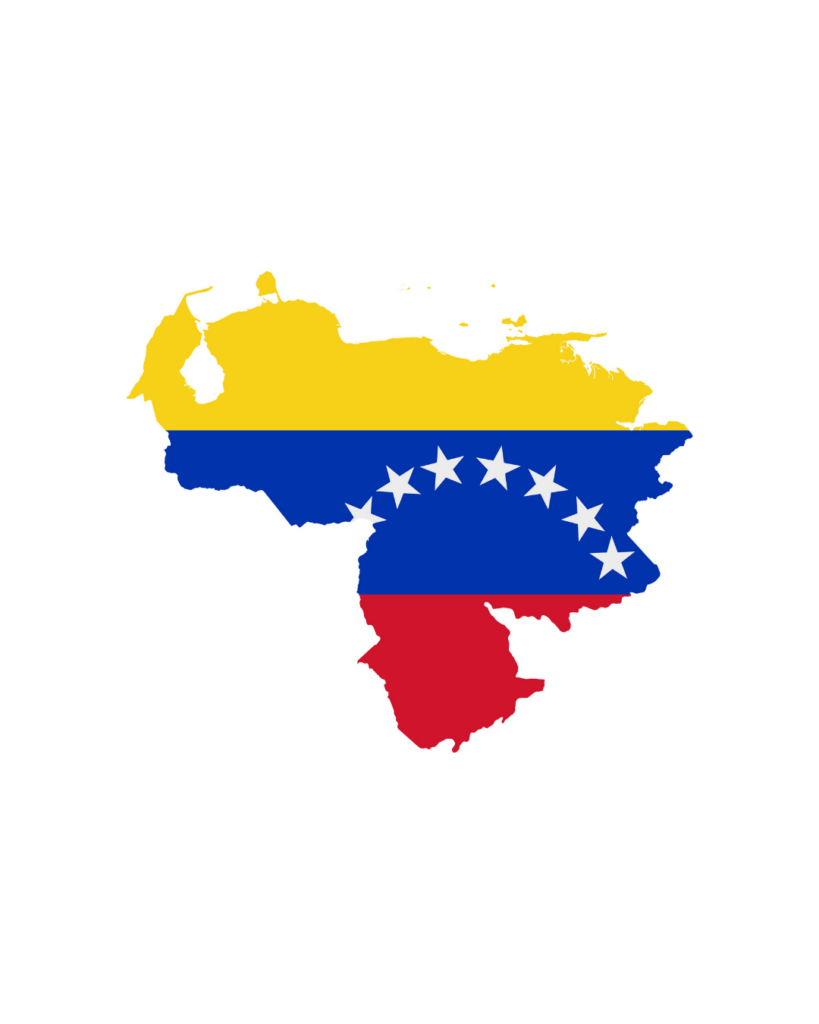
Cryptocurrencies here serve as protection against extreme inflation and domestic currency collapse.
Read Also: Coinbase: Cryptocurrency Exchange Review
Why Cryptocurrencies Dominate in These Regions
From the available data, it is evident that the highest cryptocurrency adoption does not arise primarily in the wealthiest economies, but rather in countries where digital assets solve specific everyday problems. In developing regions, cryptocurrencies fulfill not just the role of investment, but often function as a complete financial infrastructure. People use them primarily as protection against inflation and devaluation of domestic currency, as a cheaper and faster way for cross-border payments, or as an alternative to banking services that are either unavailable or inefficient.
The development of decentralized financial applications, which enable access to financial services without intermediaries, also plays a significant role. It is precisely this combination of factors that explains why cryptocurrencies spread most rapidly in regions of Latin America, Africa, and Southeast Asia, where traditional financial systems often fail.
While investment motivation and trading dominate in the USA or Europe, in countries like Venezuela or the Philippines, it is much more often an everyday tool for managing finances, transferring money, or protecting savings. Cryptocurrencies here perform functions that banks and stable currencies provide in developed economies.
Stablecoins, Bitcoin, and Market Reality
Across regions, Bitcoin and Ethereum remain the most widely used cryptocurrencies, forming the foundation of the entire market. However, stablecoins are gaining increasing importance, particularly Tether (USDT) and USD Coin (USDC). These digital currencies pegged to the dollar enable users to avoid volatility while also leveraging the benefits of blockchain. Their stability and simplicity make them an ideal tool for transfers and value storage, especially in economies with unstable currencies.
The growing importance of stablecoins is confirmed by data on their usage – they form an increasingly large part of transactions and in some regions are becoming a key payment infrastructure. Their main advantages are lower costs and speed, particularly in cross-border payments, which are often slow and expensive in the traditional financial system.
Among them, BNB, Solana, XRP, and Dogecoin also rank among the most traded assets. The combination of liquidity, exchange availability, and strong retail interest keeps these cryptocurrencies among global leaders.
TOP 10 Countries With the Highest Share of Cryptocurrency Investors: The Cryptocurrency Map of the World Is Changing
The ranking of countries with the highest cryptocurrency adoption shows a fundamental shift – the center of gravity of the global market is gradually moving outside traditional financial centers. The greatest dynamism today emerges in regions where cryptocurrencies solve concrete economic problems – from inflation to lack of banking services to the need for cheap international payments.
This leads to a clear conclusion for investors. Monitoring the cryptocurrency market solely through a Western lens is no longer sufficient. The future of digital finance is being shaped in regions that were until recently on the margins of the global financial system, and often much faster than might seem.
From Reviews: crypto4me review

