



Dogecoin – The cryptocurrency industry looked very different in 2013 than it does today. It was a year of shady cryptocurrency deals, which had a reputation for being linked to the black market. Altcoins existed mainly to take away part of Bitcoin’s market share as get-rich-quick schemes. And finally, it was also the year of memes, most notably the famous Shiba Inu dog meme.
Article content – Dogecoin:
The history of Dogecoin: The original intention
Billy Markus and Jackson Palmer created Dogecoin in 2013 to bring cryptocurrency to a growing audience. They hoped to separate it from the dark web and make it accessible by linking it to memes.
In 2013, cryptocurrencies were not as widely accepted as they are today. Bitcoin was mainly associated with Silk Road, a digital black market. In response, software engineers Billy Markus and Jackson Palmer created the cryptocurrency Dogecoin. It was intended from the outset as a peer-to-peer digital currency. That would appeal to a broader demographic than Bitcoin. Palmer bought the domain Dogecoin.com, modified the Doge meme to look like a coin, and posted it on the internet. Later, Markus approached him with a proposal to turn Dogecoin into a real, functional virtual currency.
Markus and Palmer officially launched it on December 6, 2013.
You may be interested in: Coinbase – Cryptocurrency Exchange Review
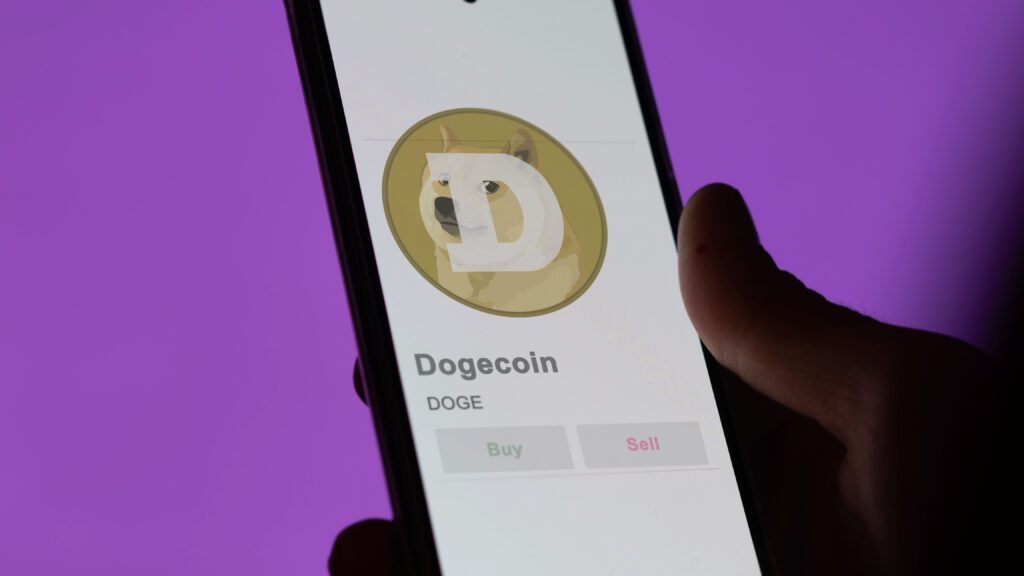
Incredible success
He built a strong community that helped it become one of the largest cryptocurrencies of its time. Dogecoin’s popularity skyrocketed just a month after its launch by Markus and Palmer. In just 30 days. The Dogecoin website was visited by over 1 million people. Just three weeks after its launch, the price of Dogecoin jumped 300% in just 72 hours. In January 2014, its trading volume even surpassed Bitcoin and all other cryptocurrencies combined for a short time.
Markus and Palmer expressed their enthusiasm for the success of their project. The creators formed a strong bond with the community they built around it and felt compelled to provide it with a quality currency. At the same time, they were pleased that it was helping people better understand the principles of decentralized currency.
Over time, it gained even greater popularity and widespread recognition within the cryptocurrency community.
Don’t miss: Cryptocurrencies are breaking records, but concerns about instability remain
Dogecoin: A continuous boom
Since 2015, it has experienced a series of ups and downs and significant milestones. In 2018, its market capitalization reached nearly $2 billion; in 2020, it skyrocketed after becoming a trend on TikTok; and in 2021, it became the first cryptocurrency to fund a flight to the moon through SpaceX. In the same year, the Dogecoin Foundation was relaunched. Its market capitalization reached $50 billion — its value increased by more than 7,000% in one year. In May 2021, it surpassed the symbolic $0.5 mark, representing a year-on-year increase of more than 20,000%.
Dogecoin: Conclusion
It is one of the most interesting stories in the world of cryptocurrencies — a project that started as a joke and gradually turned into a digital currency with real-world use, a passionate community, and a market capitalization in the billions. From its humble beginnings in 2013 to its current status as a well-known name in the crypto space, it has exceeded expectations and earned a unique place in the cryptocurrency landscape.
Over the years, it has experienced several significant price fluctuations, but none more dramatic than the sharp rise in 2021, when its market capitalization briefly exceeded $85 billion. This price explosion was largely linked to celebrity endorsements. Most notably Elon Musk, whose tweets about Dogecoin often triggered significant increases in value.
With the cryptocurrency market continuing to evolve, its journey remains one to watch — a reminder that in the digital age, even something that starts as a joke can turn into something with real impact and value.
Read more: PancakeSwap – Platform Review


