
Best Crypto Wallets: A crypto wallet is no longer just a technical application for enthusiasts. In 2026, it determines who has true control over digital assets, how securely users work with Web3, and what level of risk they take with each transaction. According to Chainalysis, more than $2.17 billion was stolen from cryptocurrency services in the first half of 2025 alone, making security one of the main topics across the entire market. This ranking is therefore not just a list of well-known names, but an editorial selection based on security, usability, blockchain support, reputation, weaknesses, and suitability for different types of users.
Article Contents: – Best Crypto Wallets in 2026
- 1. Ledger: Best Universal Hardware Wallet
- 2. Trezor: Czech Legend for Secure Crypto Storage
- 3. MetaMask: Most Important Web3 Wallet, But Not the Most Secure
- 4. Trust Wallet: Best Mobile Choice for Everyday Multichain Use
- 5. Phantom: Best Wallet for Solana and Fast Web3 Environment
- 6. Rabby Wallet: Better Transaction Control for Advanced DeFi Users
- 7. Tangem: Simple Hardware Wallet for People Put Off by Traditional Options
- 8. Zengo: Strong Choice for Users Afraid of Seed Phrases
- 9. Coinbase Wallet: Good Stepping Stone from Exchange to Self-Custody
- 10. Exodus: User-Friendly Wallet for Beginners, Not a Vault for Entire Portfolio
- Other Wallets Worth Mentioning
- How to Read This Ranking
- Conclusion
1. Ledger: Best Universal Hardware Wallet
Ledger takes first place primarily because it offers the strongest combination of hardware security, broad asset support, and usability for the average investor. Models like the Ledger Flex or Nano X make sense for long-term holding of Bitcoin, Ethereum, stablecoins, and other digital assets.
However, it’s not a flawless brand. Ledger has faced criticism in the past over the Recover service, which raised concerns among parts of the community about the wallet’s security model, and in 2023 the company also dealt with an incident involving the Ledger Connect Kit, which affected some decentralized applications. That’s precisely why Ledger doesn’t win as the “cleanest” security choice, but as the best overall compromise between security, ecosystem, and practicality.
You might also like: How to Choose the Right Exchange for Trading Your Cryptocurrencies?
2. Trezor: Czech Legend for Secure Crypto Storage
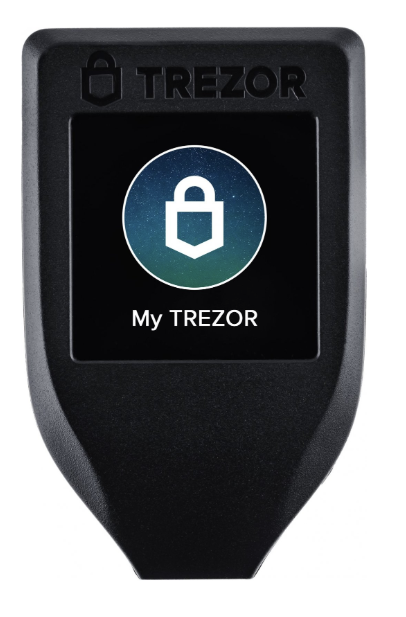
Trezor is just behind Ledger because it has a strong reputation, Czech origins, and a very clear story built on self-custody. It’s particularly suitable for users who want to hold cryptocurrencies long-term and don’t want to rely on an exchange or third party. The Trezor Safe 7 model is also presented by the manufacturer as a wallet ready for future post-quantum updates. The reason it’s not first is mainly practicality: for some users, it may be less convenient for daily multichain and Web3 use than Ledger. Trezor hasn’t avoided reputational risks around phishing either, for example after an incident with a third party in customer support, which the company addressed in its security notice.
Read the review: Trezor Safe 3 Review – Security for Your Cryptocurrencies in Modern Packaging
3. MetaMask: Most Important Web3 Wallet, But Not the Most Secure
MetaMask remains one of the most important wallets for Ethereum, EVM networks, DeFi, NFTs, and decentralized applications. It ranks high in this list mainly due to its compatibility and role as a gateway to Web3. For active crypto users, it’s often an essential tool, not just an optional application. However, it’s not an ideal place for an entire portfolio. MetaMask is a hot wallet connected to the internet, and therefore significantly more vulnerable to phishing, malicious sites, and careless transaction signing. Third place therefore reflects its importance for Web3, not maximum security.
4. Trust Wallet: Best Mobile Choice for Everyday Multichain Use
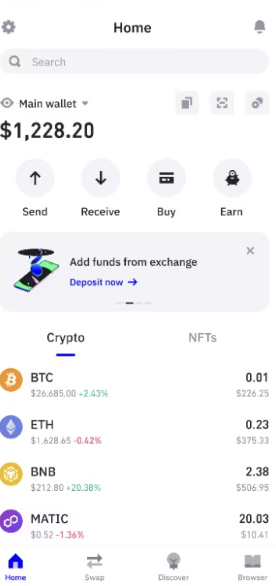
Trust Wallet is among the most prominent mobile crypto wallets and ranks high in this list thanks to its simplicity, broad asset support, and ability to serve everyday users across multiple blockchains. It’s a practical choice for small to medium amounts, daily portfolio management, NFTs, and basic Web3 use. However, its weakness is clear: a phone remains a device connected to the internet. Trust Wallet is therefore not ideal as the primary storage for larger assets. It ranks fourth because it solves convenience and accessibility very well, but from a security standpoint cannot compete with hardware wallets.
Read the review: Trust Wallet Review – Master Your Cryptocurrencies with Confidence
5. Phantom: Best Wallet for Solana and Fast Web3 Environment
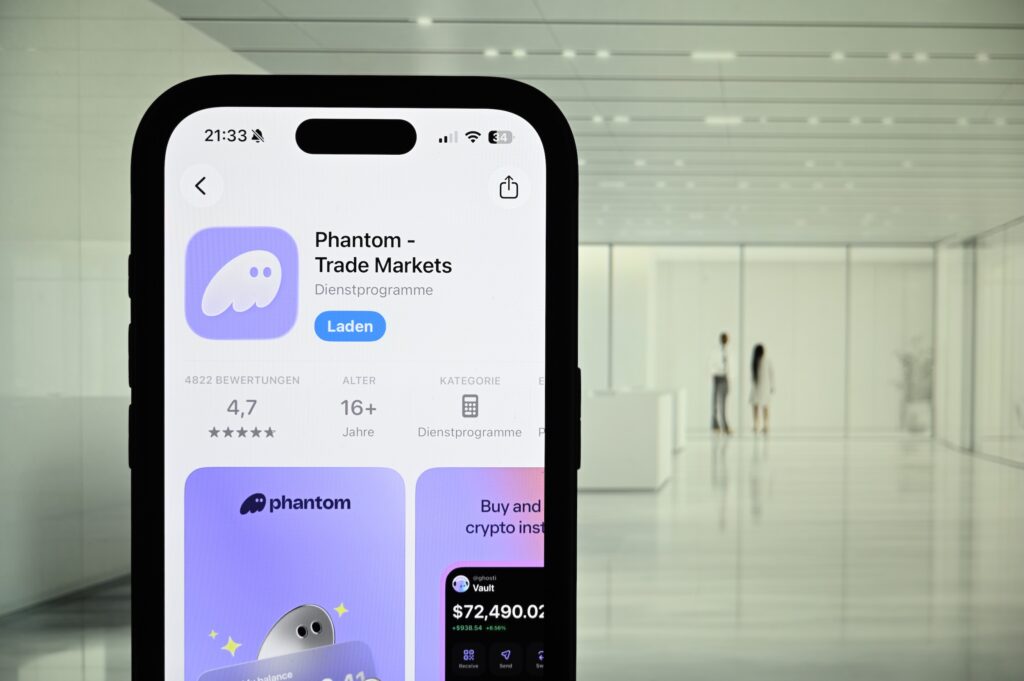
Phantom deserves a spot in the top five mainly because it managed to grow from a Solana wallet into a broader multichain tool. It’s fast, modern, and user-friendly, making it one of the best choices for the Solana ecosystem, NFTs, and applications on fast blockchains. However, its ranking also reflects limitations: for Bitcoin maximalists or investors who just want to securely hold larger amounts long-term, Phantom isn’t the most logical choice. It’s strong where users actively work with Web3, not where they’re looking for long-term offline storage.
6. Rabby Wallet: Better Transaction Control for Advanced DeFi Users
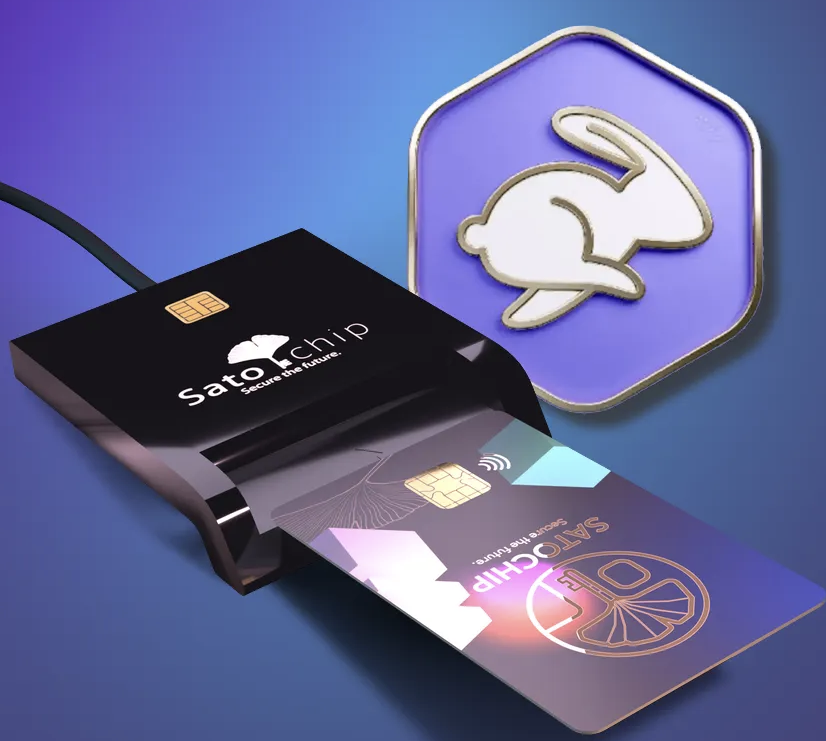
Rabby Wallet may be less well-known than MetaMask, but for active DeFi users it can be more useful in practice. It supports more than 100 EVM networks, can automatically detect networks, simulate transactions, and warn about risky interactions. That’s exactly why it ranks ahead of simpler beginner wallets in this list. Its weakness is its narrower focus and higher technical complexity. Rabby isn’t a wallet for everyone, but for users who regularly sign smart contracts, it offers a strong editorial reason for inclusion: it doesn’t just add convenience, but also better risk readability.
Read more: BUX Broker Review – What Not to Fall For?
7. Tangem: Simple Hardware Wallet for People Put Off by Traditional Options
Tangem is interesting precisely because it doesn’t follow the path of traditional devices with displays, cables, and more complex setup. It uses a card with NFC technology that users place against their phone and confirm transactions through a mobile app. It ranks lower than Ledger and Trezor because it doesn’t offer the same type of independent verification directly on the device and relies more on the mobile experience. However, it also solves a real problem: many people are intimidated by traditional hardware wallets. Tangem therefore makes sense as a simpler entry into physical security, not as the most advanced solution for demanding users.
8. Zengo: Strong Choice for Users Afraid of Seed Phrases
Zengo makes this ranking because it tries to remove one of the biggest barriers to self-custody: working with seed phrases. Instead of the traditional model, it uses MPC technology, or multi-party computation, and primarily targets users who want greater control over crypto but are afraid of losing 12 or 24 words. Eighth place reflects a compromise. Zengo is user-friendly and may be less stressful for beginners than a traditional wallet, but for conservative long-term holders of larger amounts, the Ledger or Trezor model will still be more readable and traditional.
9. Coinbase Wallet: Good Stepping Stone from Exchange to Self-Custody
Coinbase Wallet is in this ranking mainly due to its simplicity and brand recognition that even less technical users know. It’s suitable for people transitioning from an exchange account to self-custody and want to track assets, NFTs, or DeFi positions in a clear environment. However, ninth place is not random. Coinbase Wallet is not the most secure cold storage solution nor the most advanced DeFi tool. It’s more of a gateway to self-custody for users who aren’t yet ready for more technically demanding wallets.
Review here: secure crypto wallet for beginners and advanced investors
10. Exodus: User-Friendly Wallet for Beginners, Not a Vault for Entire Portfolio
Exodus closes out the top ten as a wallet that scores mainly on simplicity. It’s available for both desktop and mobile, offers clear portfolio management and built-in swaps, making it a good choice for beginners or moderately advanced users. However, it doesn’t rank higher because it’s still a software wallet that isn’t ideal for long-term storage of large amounts. Exodus is convenient, visually accessible, and less technical than many competitors, but from a security and advanced Web3 usage perspective, it has clear limitations.
Other Wallets Worth Mentioning
Not all interesting crypto wallets made it into the main ranking. Safe Wallet is an important tool for companies, DAOs, and teams because it functions as a multisig solution for managing onchain assets, but it’s too specific for the average retail user. SafePal may be interesting for those looking for a more affordable hardware wallet, while NGRAVE ZERO targets users demanding maximum isolation from the internet. OKX Wallet has strong Web3 integration but is more closely tied to the exchange ecosystem, and Rainbow Wallet remains a popular choice mainly for the Ethereum community.
How to Read This Ranking
The order in this ranking doesn’t mean the first wallet is best for everyone. Ledger and Trezor lead thanks to hardware security and suitability for long-term holding. MetaMask, Rabby, and Phantom rank higher where Web3 and DeFi usability matters. Trust Wallet, Coinbase Wallet, and Exodus make sense mainly for more convenient everyday use. Tangem and Zengo show that self-custody is moving toward simpler recovery models, but also brings different compromises.
Conclusion
The best crypto wallet in 2026 isn’t one universal application. For long-term storage of larger amounts, hardware wallets remain the strongest; for DeFi and Web3, specialized hot wallets are more practical; and for beginners, simplicity often decides. Editorially, it makes the most sense to view crypto wallets as security layers: a cold wallet for larger amounts, a hot wallet for everyday use, and a separate wallet for riskier experiments. This combination is probably safer in 2026 than trying to find one wallet for everything.
Read more: MadisonSix: path to cryptocurrencies without technical baggage